Uncategorized


PULSE Conversations have helped de-escalate high-conflict situations. It is a form of strategic intervention, an Alternative Dispute Resolution (ADR) approach that relies on neuroscience and what we know about human nature to shift conversations from the Red Zone of fight, flight or freeze to the Green Zone of release, relax and relate.

Law Enforcement is often reluctant to move to the “softer” skills associated with mediation and similar conflict interventions. After all, they “ENFORCE” the law. FORCE is their middle name. That force is warranted in many situations, and we are all grateful to those who choose to do this important work, who keep us safe and protected.

Sometimes a different approach could lead to outcomes that recognize and respect the rule of law AND the beliefs, expectations, assumptions, concerns, and hopes everyone brings to an encounter. I call that their BEACHs. Using the PULSE Frame to guide conversations can lead to mutually agreeable understandings and peaceful, productive resolutions. PULSE for Law Enforcement can be tricky. When laws have been violated, it is vital to make clear at the beginning of the conversation what is negotiable and what is not. The first stage of the frame, the Prepare stage, asks you to identify the purpose, process and protocol for the conversation. All three must be clearly outlined in a way that respects the rule of law.

I have also found that intervention in hostile situations requires strength. Three kinds of strength influence the outcomes of these encounters: Head, Heart, and Body. Intellectually, officers need to think quickly and clearly. Emotionally, officers need to manage their emotions and “read the room” to restore calm. Physically, they need to remove any threat of harm. Officers must use all three. Within the PULSE Frame, all three aspects are addressed by activating the neurotransmitters in our heads, hearts and bodies. It is a five-stage process. Prepare for the conversation, Uncover the circumstance that needs to be addressed, Learn the significance of the circumstance, Search for options that meet the Beliefs, Expectations, Assumptions, Concerns and Hopes of everyone at the table and resolve the situation or circumstance, and Explain a clear plan of action moving forward.

PULSE asks that you take a strong, future-focused stance; consider the Head, Heart, and Body aspects of any situation; and be comfortable being voluntarily vulnerable. That is not always easy for people who are trained to be strong. It takes courage to be vulnerable. Doing so activates others’ conciliatory reflex and changes everything. The PULSE Frame has been used in many high-conflict situations to de-escalate and resolve differences. It can give you the confidence to make a change and the courage to make a difference. It demonstrates compassion, curiousity, and competence that can guide any encounter to a peaceful resolution.

Strategic ADR with the PULSE Frame moves participants from the Red Zone of past threat, through the Yellow Zone of present perception checking, to the Green Zone of connection and hope for the future. It has proven to be a useful, reliable tool that Law Enforcement can use in almost any situation they encounter. With PULSE, resolutions are reached, and relationships are strengthened. It is a practical way for any agency to manage conflict, achieve justice, and build public trust.
Halifax rarely has temperatures above 10 degrees in November. The last couple of days have been unseasonably warm … and very foggy. Last evening, I was on the waterfront with a friend. The harbour was calm and flat, and the fog was thick. It was a perfect setting for a Halloween spooktacular. As we walked along the cobblestone sidewalk on Lower Water Street, I noticed all the wet maple leaves that had fallen from the nearby trees. I love maple leaves. They symbolize Canada, and I am extremely proud to be Canadian these days.

These days, Halifax is teeming with new Canadians. My friend and I, both retired educators, decided to take public transit to the waterfront to avoid the traffic the population boom has generated. The high school near the bus terminal was letting out, and the accordion bus filled quickly with students representing the shift in population. It made us smile and realize how different the world had become since we attended high school in Halifax in the 1960s. But was it really? I remembered that there were new Canadians then, too, mostly from Eastern European countries or Britain.

The route took us through my old neighbourhood. It was awesome. I got to show my friend my old stomping grounds as we wound our way through the city to the waterfront. I was so glad we had decided to use public transit. I do not remember the last time I did that. The bus hit the gridlock that happens when there is trouble on our bridges. An accident had one closed in both directions, so we sat an extra 15 minutes. The bus driver told us what was going on and invited passengers to disembark and catch another bus at the corner if they could to reach their destinations. Those who did thanked him. In fact, most people who disembarked at any stop said ‘thank you’. That was new.

But the two little old ladies we had become sat and continued their visit, solving all the world’s problems, past, present and future until we reached the Waterfront Terminal. It was a great visit. From the Clayton Park terminal, near where I grew up, to the Waterfront Terminal, the ride took about75 minutes. It was the best ride ever. The walk to the restaurant was magical in the quiet, spooky mist and on the leaf-ridden, wet cobblestones, and the meal was superb. The Uber ride home is another story.

So you’re at work, and a colleague returns from leave. They try to pick up where they left off, but you know things have changed significantly while they have been away. You try to explain the differences, but the frustration that you are both feeling is starting to show. You both want to do your work well, and you have worked well together in the past. This feels different.

Suggestion #1

How about the two of you meet off campus in a quiet, private place where you can say what you are thinking in a gentle, honest way?  Maybe that would allow you both to name the elephants that might be getting in the way.  Asking and answering questions about your greatest fear and your greatest hope for working together might clear the air and help rebuild the relationship. First, agree to Gentle, Honest, Open, Specific Talk.  I call it GHOST talk.

Speak gently so the other person can keep listening and their defences aren’t triggered.

Be honest with each other. Say what you are thinking in a gentle way.

Be open to hearing what the other person is saying, and let it influence your version of things. Remember everyone is doing the best they can with what they know.

Use examples for clarity … be specific to avoid misunderstanding.

And keep talking.  Set aside a full 90 minutes to deal with whatever comes up. No walk-aways and no power plays. Stick with it.

Your goal is to name your concerns and hopes, and the other person’s concerns and hopes.  You will also recognize the shared concerns and hopes you have as you work together.

Once you identify the unique and shared concerns and hopes, you can begin brainstorming options to meet those criteria and resolve the differences that have gotten in the way of a peaceful, productive working relationship.

Create a written document outlining the things you have each agreed to do and what you have agreed to do together. INclude dates and times and times to check in which each other.

If the weirdness returns, “rinse and repeat.”

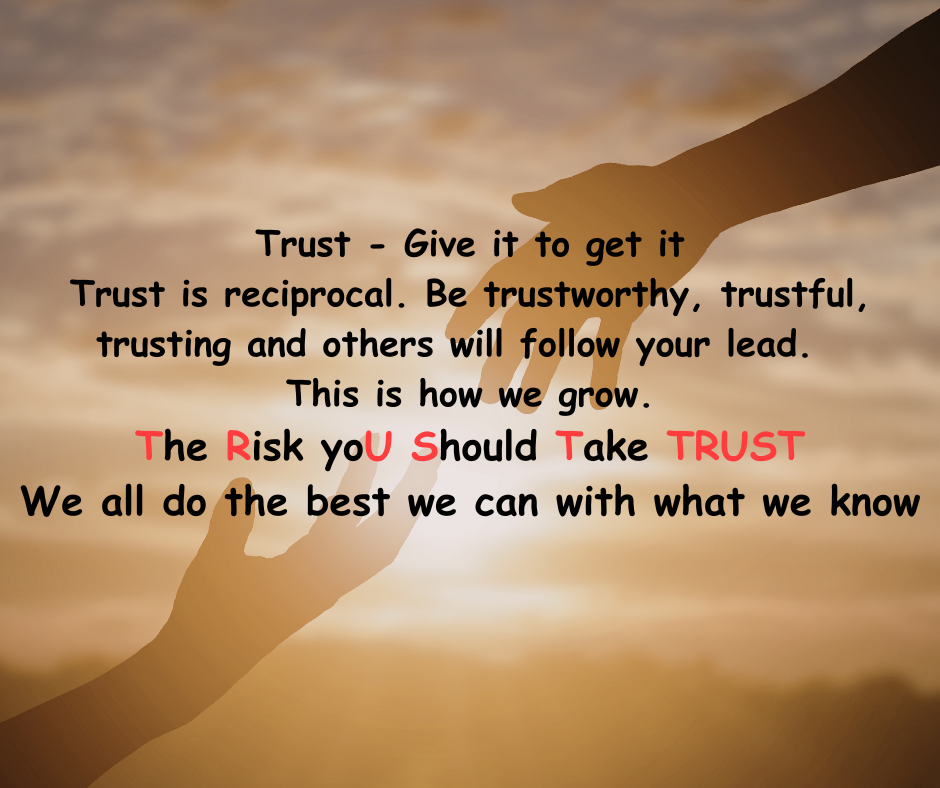
Learn more about TRUST in Chapter 10 of The Risk You Should Take! Click the link to purchase your copy today! https://www.amazon.ca/dp/B0G5XPCM58?ref_=cm_sw_r_ffobk_cp_ud_dp_VYYKVQM9MEAS5WY2MNBJ&bestFormat=true

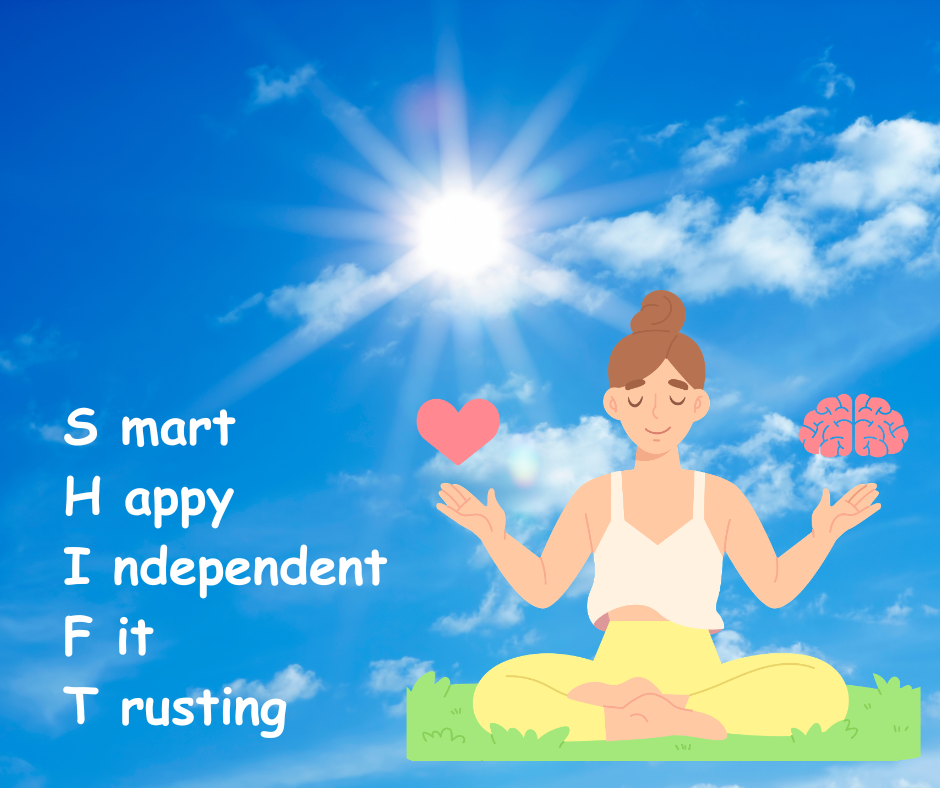
Psychological safety is important. Elements of psychological safety include a Sharp mind, a Happy heart, an Independent spirit, a Fit body and a Trusting soul. Personal SHIFTS are encouraged by simply RENEWing these aspects of well-being. Read all about it in Chapter 9 of the Risk You Should Take! Click the link to purchase your copy today! https://www.amazon.ca/dp/B0G5XPCM58?ref_=cm_sw_r_ffobk_cp_ud_dp_VYYKVQM9MEAS5WY2MNBJ_7&bestFormat=true

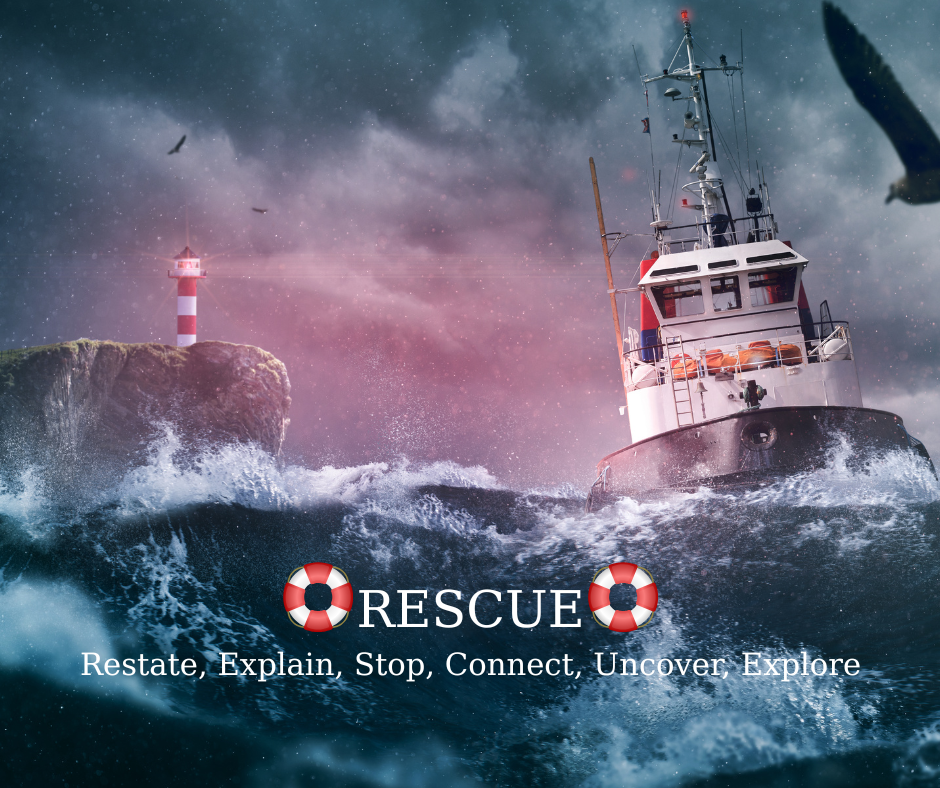
What if you find yourself in dire straits? You may need your RESCUE gear! A weather gauge, a flashlight, a compass, protective gear like a life vest or a rain suit in the event of a storm. Use MAX to right the ship and get to safe harbour. Find out how in Chapter 8 of The Risk You Should Take. Click this link to purchase your copy today! https://www.amazon.ca/dp/B0G5XPCM58?ref_=cm_sw_r_ffobk_cp_ud_dp_VYYKVQM9MEAS5WY2MNBJ_4&bestFormat=true

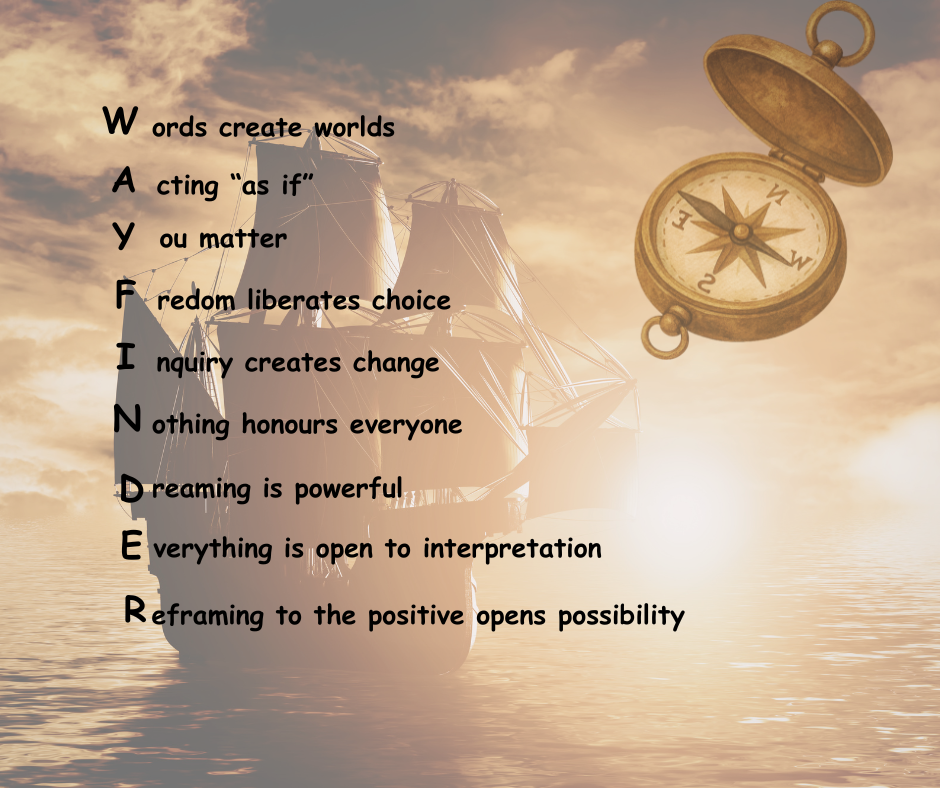
LOST in a difficult situation or relationship? Take the RISK and become a Wayfinder by following the WAYFINDER’S CREED. Based on positive psychology. Read all about it in Chapter 7 of the Risk You Should Take. Click this link to get your copy today! https://a.co/d/08Rr59WU

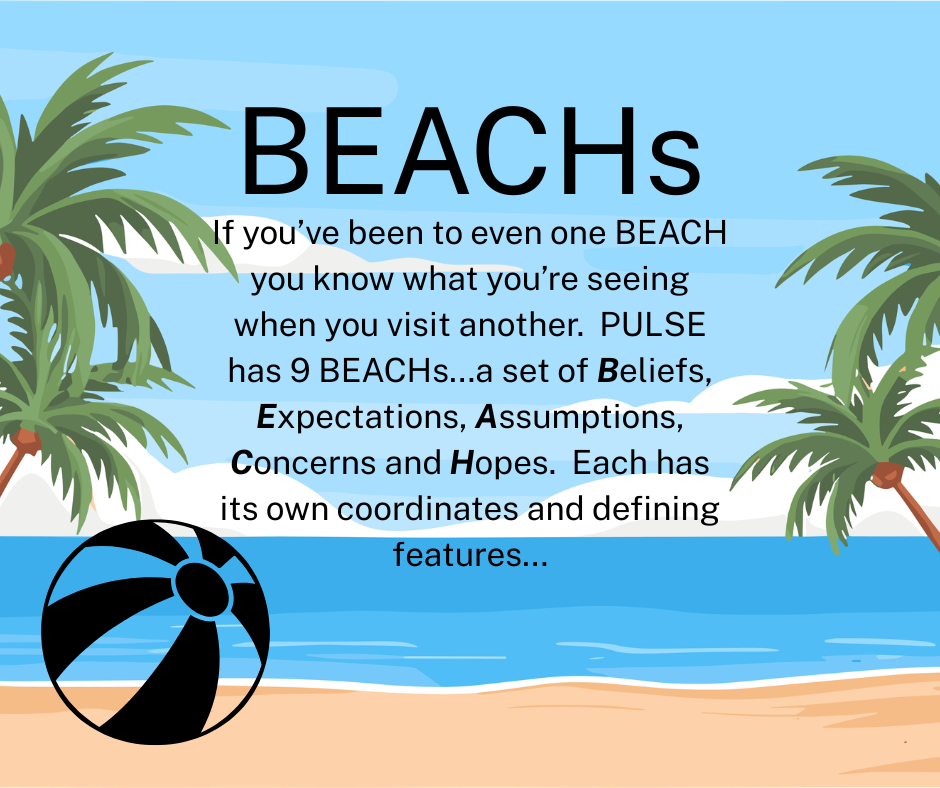
Refer to Chapter 6: Exploring The Waters of The Risk You Should Take to learn more about the 9 PULSE BEACHs…Here is the link to the book https://www.amazon.ca/dp/B0G5XPCM58?ref_=cm_sw_r_ffobk_cp_ud_dp_1VQRKNTFZ01SW5NDTDA5_7&bestFormat=true

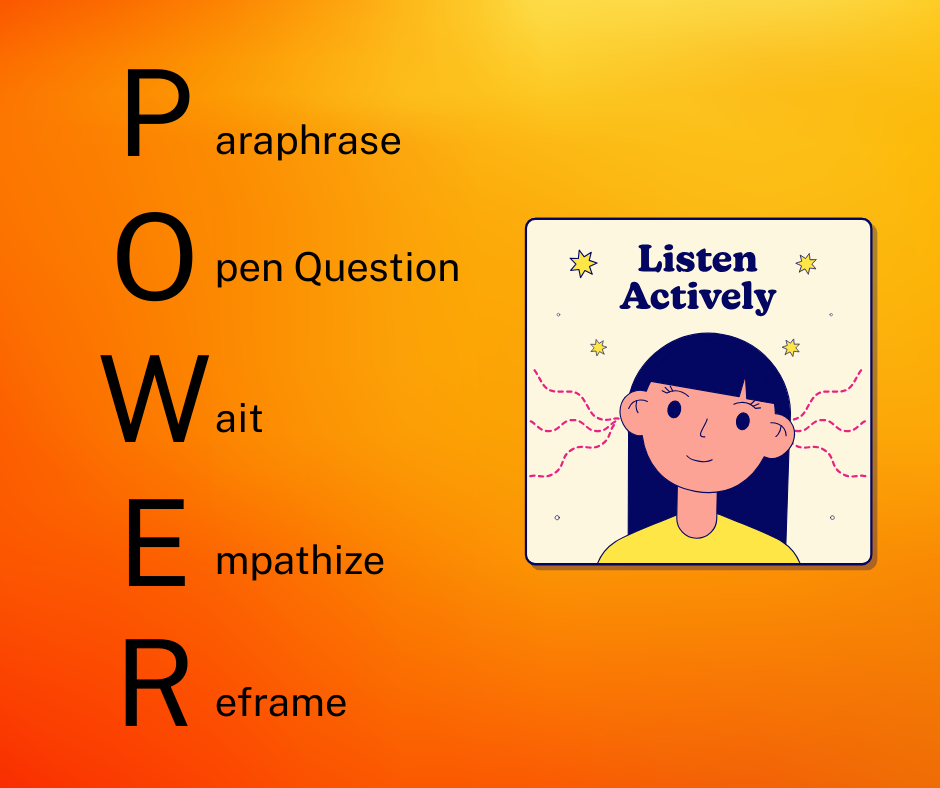
The POWER of listening is everything. Listen to, listen for, listen with, listen on behalf of and Stay Curious! Give evidence of your listening. Model patience. Notice and name emotion and shift to the positive by defining what is missing. Read more about this in Chapter 5 of The Risk You Should Take. Click this link to purchase https://www.amazon.ca/dp/B0G5XPCM58?ref_=cm_sw_r_ffobk_cp_ud_dp_1VQRKNTFZ01SW5NDTDA5_3&bestFormat=true

Gentle, Honest, Open, Specific, Talk

There is always someone else in the room, some presence, the rules of engagement that influence what you do or don’t say. It defines the limits of the conversation, the focus, the purpose and the measures of success. Read more about this topic in Chapter 4 of The Risk You Should Take

Click this link to purchase your copy today!https://a.co/d/0ayKSM1n

Next Page »